While sex, power and public execution provide endless entertainment, if you ask me, the enduring popularity of the Tudors is down to one factor – their magnificent fashion.
Dress was serious business in Tudor England. Clothing was its own language with each textile, colour and style carrying a different meaning. This allowed people to display their identity, status, and even send political messages.
From the Elizabethan Ruff to Henry VIII’s codpiece, here are five Tudor fashions which should make a comeback.
1. The linen shift
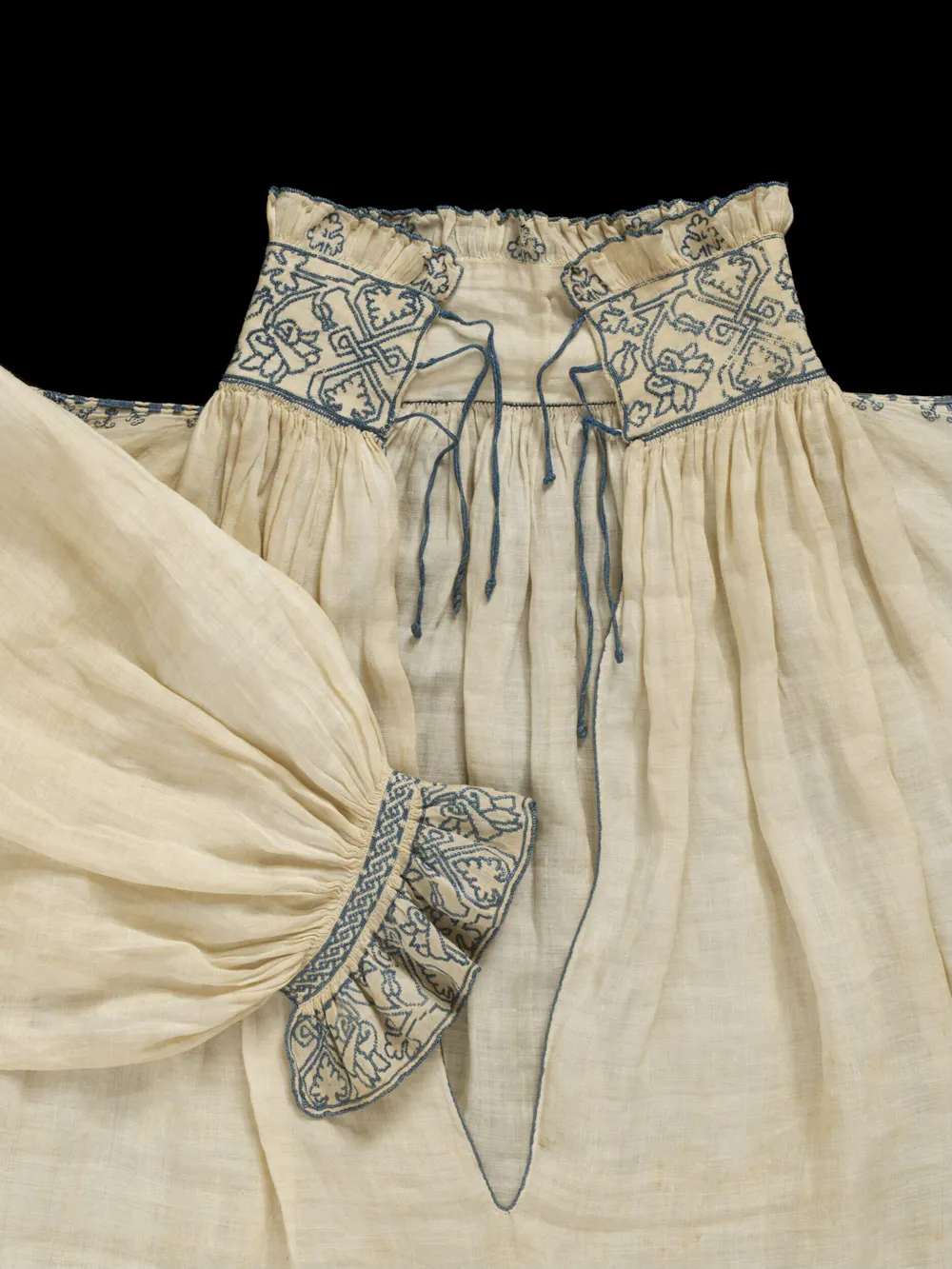
Sounds like a boring place to start, but the linen shift was a staple in every Tudor wardrobe.
Linen was inexpensive, breathable and could be laundered daily. Contrary to popular belief, the Tudors were obsessed with cleanliness and hygiene. Linen absorbs sweat, bodily fluids and was believed to protect the skin from diseases such as the plague. Wearing and changing your linen shift daily was the best way to stay clean and protected from infection.
A fashionable trend of the Tudor period saw the collar on the linen shift become larger so it could be seen under the outer garments. A clean collar demonstrated that you could afford to change your shift and therefore had good hygiene.
You know what they say, cleanliness is close to godliness.
2. The ruff
If there is a single item of clothing that is most redolent of the Tudors, it’s the ruff.
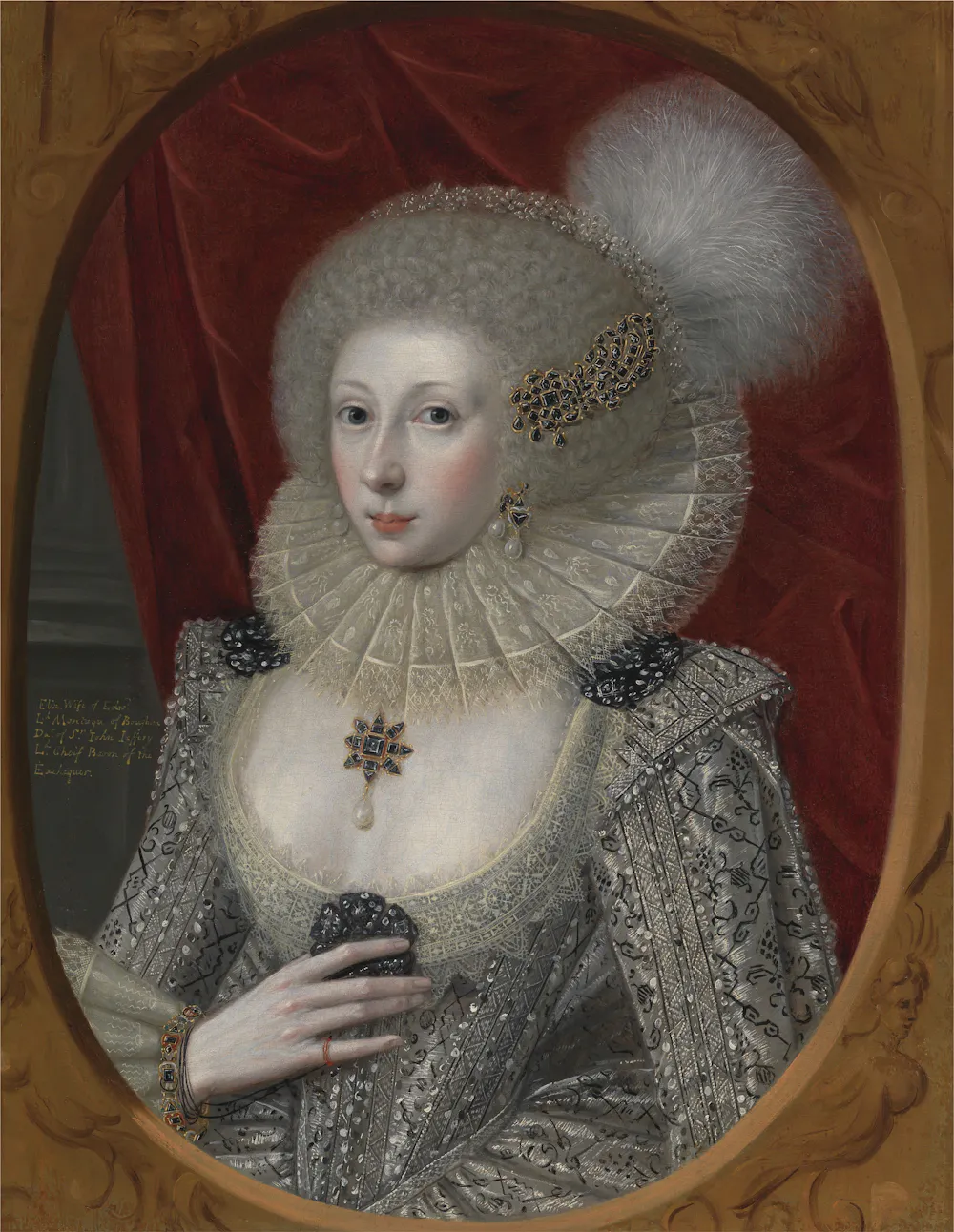
The ruff was a pleated collar made from linen or lace and given its iconic stiff shape with starch. During the reign of Elizabeth I, large lace ruffs became an elaborate status symbol because they were difficult to set and impractical to wear which meant you had to have a lot of servants helping you.
Large, impractical ruffs – like the one in this 1615 portrait of a woman, possibly Elizabeth Pope – were a status symbol in Tudor England.Yale Center for British Art
For Elizabeth I, the ruff was a significant source of power. The queen’s opulent ruffs commanded deference and situated her as the ultimate object in any room. In Elizabeth’s court, people came to her, not the other way around.
Dior gave the ruff a modern twist in their 2025 Fall–Winter collection, so it looks like they are already making a comeback.
3. Statement sleeves
In the Tudor period, sleeves were a separate garment that were attached while getting dressed in the morning. This allowed the wearer to pair them with different outfits and play around with fabrics, colours and styles.
The most popular style was the trumpet sleeve. This sleeve was narrow at the top of the arm and dramatically expanded in a cone shape over the elbow. A second sleeve would then appear underneath at the forearm.
This painting of Elizabeth I before her accession is dated between 1546 and 1547. The sleeves give the outfit a dramatic and voluminous appearance.Royal Collection/Wikimedia Commons
This gave any outfit a dramatic and voluminous appearance with layers of luxurious textiles. See how this beautiful design looked on a young Elizabeth I.
A modern take on statement sleeves would be a great way to spice up any outfit.
4. Decorative techniques
Tudor tailors used a range of decorative techniques when making clothes. Paning, pinking and cutwork were just some of the more elaborate modes of garment construction but the most common was slashing.
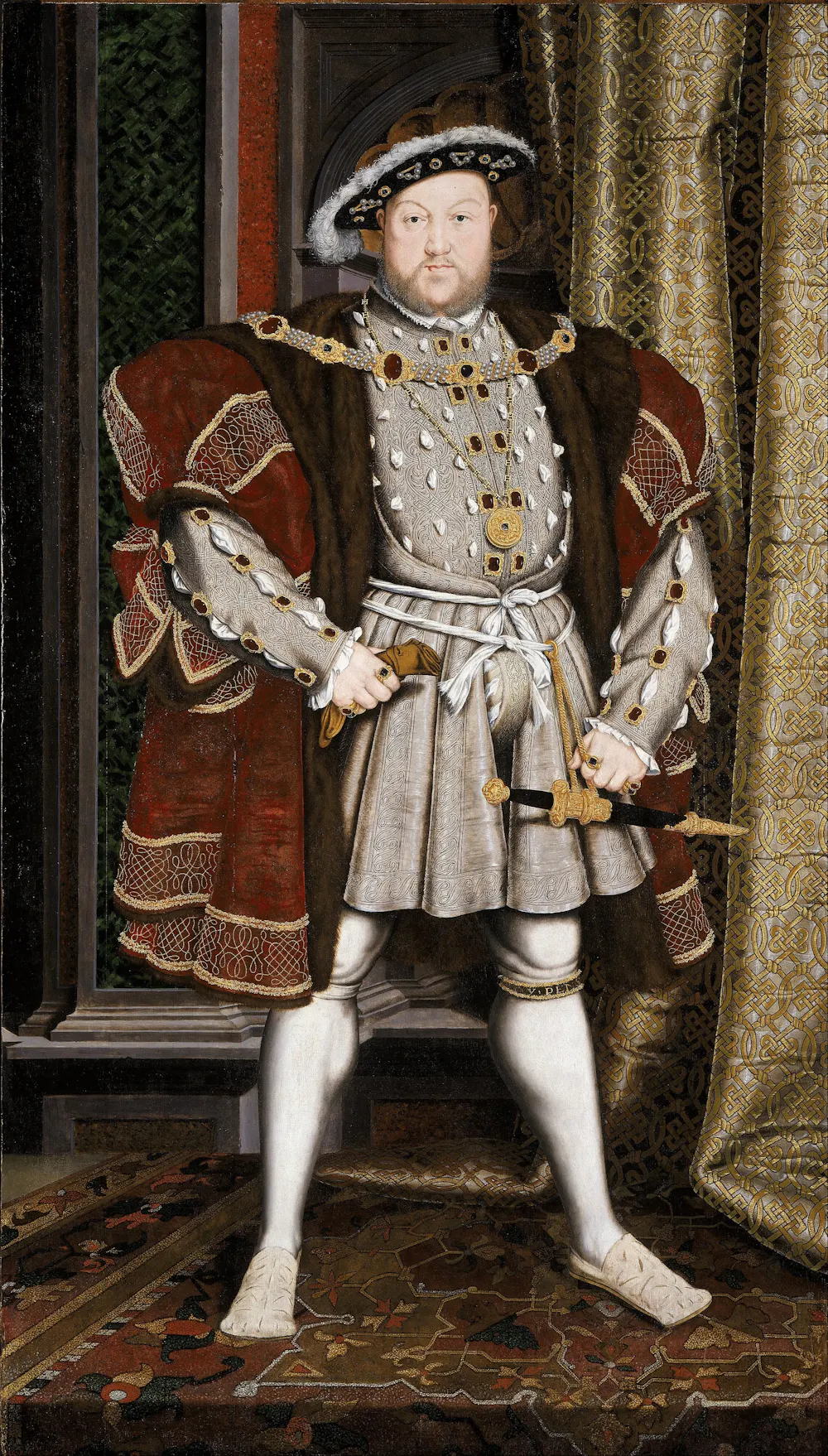
Slashing involved cutting small slits into outer garments of velvet to reveal an inner layer of white silk. The layering and contrast of different colours not only created a striking and vibrant image but showed off your ownership of expensive textiles.
You can see slashing on Henry VIII’s doublet (jacket) and sleeves in his famous portrait.
In 1991, this technique inspired Vivienne Westwood to produce the collection Cut and Slash, so it definitely has a place in the modern era.
5. The codpiece
Ok, this one is a bit of fun… but for Henry VIII the codpiece was no laughing matter. Starting out as a small triangular piece of material, by the early 16th century the codpiece had evolved into a padded, stiff and bejewelled item symbolic of virility and fertility.
Toxic masculinity was all the rage during the Tudor period, and Henry VIII was under immense pressure to maintain absolute control through his superior machismo.
As the king aged, his vigour waned and his failure to produce a male heir sent him into a crisis of masculinity. The display and exaggeration of his manhood through the codpiece was Henry’s only means of reasserting his masculine identity and fecundity.
Henry’s 1540 tournament armour gives a clear indication of just how exaggerated the codpiece became.
One thing is for sure, fashion in Tudor England was not a flippant pursuit. If the ever-enduring legacy of the Tudors can teach us anything, it’s that we should always dress to impress.
Grace Waye-Harris does not work for, consult, own shares in or receive funding from any company or organisation that would benefit from this article, and has disclosed no relevant affiliations beyond their academic appointment.
This article is republished from The Conversation under a Creative Commons license.
RUGBY All Blacks centurion Codie Taylor believes the distraction of the coaching saga will be put to one side when Super Rugby gets underway next week More...
BUSINESS A warning we've been burnt by high hopes for economic recovery More...






.jpg)


